


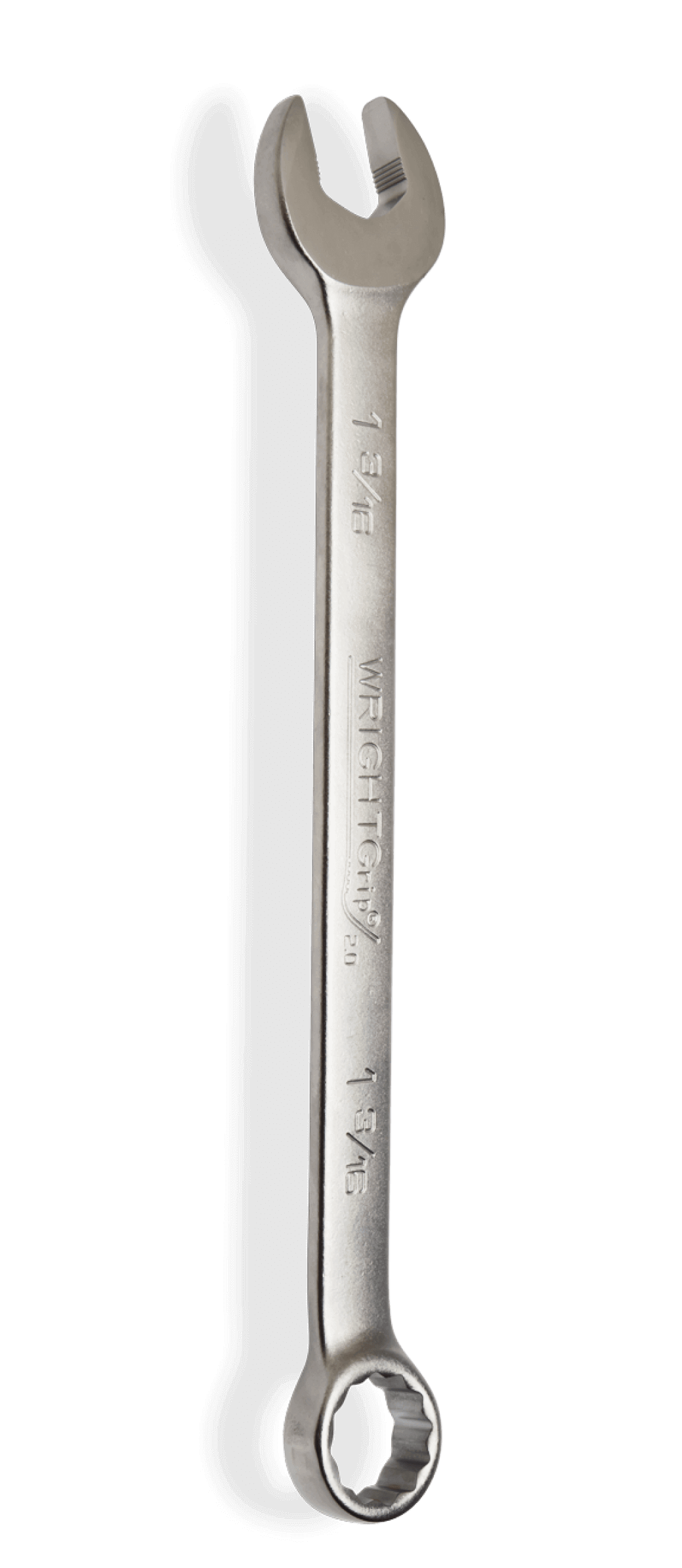





When it comes to high-quality hand tools, Wright has been a trusted name for nearly 100 years. Since 1927, we’ve been engineering, innovating and forging tools that outperform the competition while helping professionals work more safely, efficiently and confidently. Our vision has always been simple, provide the confidence and reliability needed by the people building tomorrow.
When professionals pick up a Wright tool, they immediately notice its clean finish. That appearance isn’t by chance, it’s the result of careful craftsmanship in one of the most important areas of our manufacturing process, the polishing department.
Recently, we welcomed Shorter Griffin to Wright for a facility tour. During his visit, he shared a story from his time serving in the U.S. Army during the Cold War, one that perfectly illustrates how far a tool made in Barberton, Ohio, can travel.
At Wright, we strive to do everything under one roof—and that includes our heat treating process. By keeping heat treat operations in-house, we maintain complete control over one of the most critical steps in manufacturing durable, high-performance tools.
At Wright, every tool goes through a detailed manufacturing process, but it’s at the MaxiPress where our sockets truly begin to take shape.
To achieve the finish our customers expect, whether satin or full-polished, every tool goes through a meticulous preparation process that combines both science and craftsmanship.

