








April 1, 2026
Behind the Shine: Wright’s Vibratory Process
At Wright, the journey of a tool isn’t complete once it’s heat treated. To achieve the finish our customers expect, whether satin or full-polished, every tool goes through a meticulous preparation process that combines both science and craftsmanship.
After heat treating, our tools enter the prep stage. This includes sandblasting, polishing, and removing any burrs to ensure each piece is ready for its final finish. Depending on the desired surface, the tools may be polished by hand, sandblasted, or sent through our in-house vibratory department.
The Vibratory Department
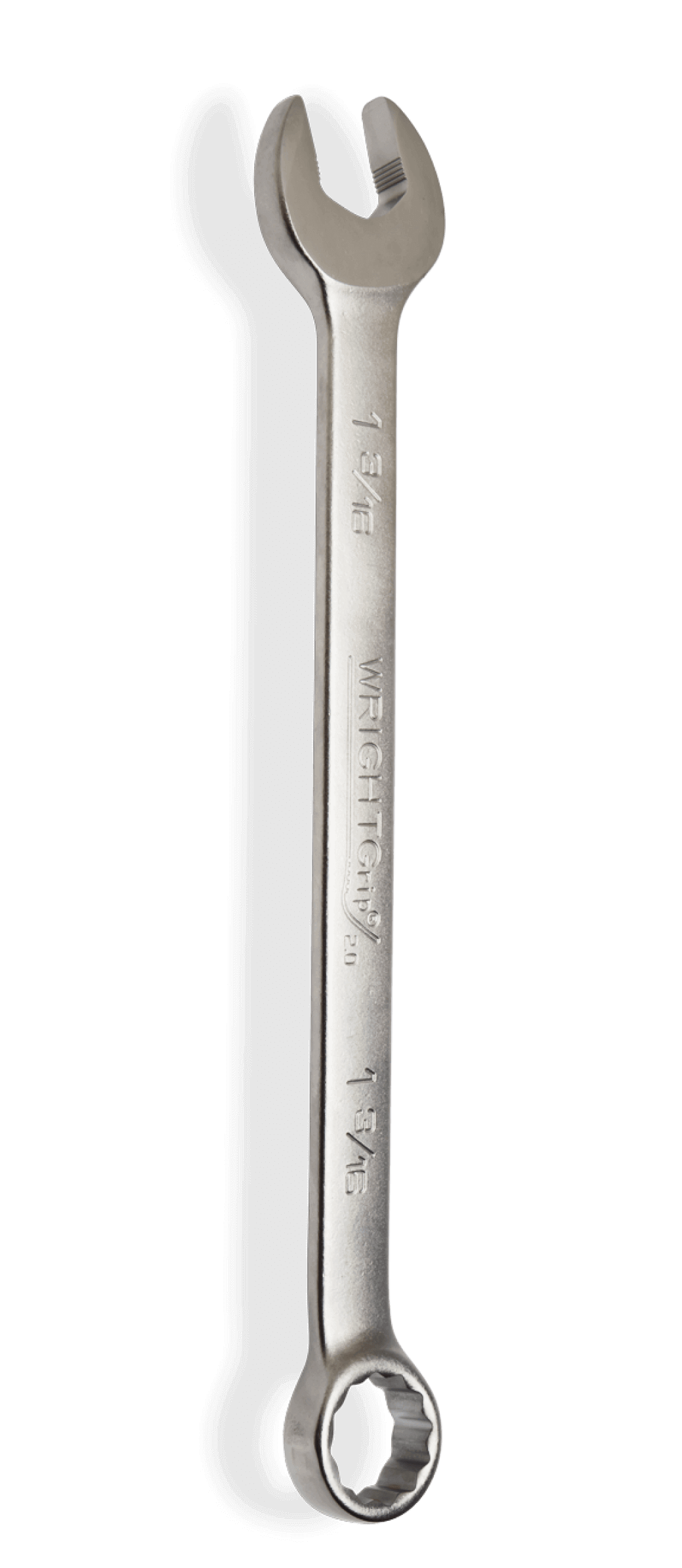
Our vibratory process is more than just shaking parts in a tub. In fact, there’s quite a bit of chemistry involved. Parts spend anywhere from 8 to 12 hours in our vibratory machines to achieve a full-polished finish. For example, our 12 series full-polished wrenches all go through this process to ensure uniform quality.
The vibratory department consists of 23 different vibe machines, each using a mix of different shapes, sizes and compositions of media. By optimizing the process entirely in-house, we maintain complete control over the finish and consistency of every tool, something our team considers a competitive advantage.
Why The Vibratory Matters
Vibratory not only enhances the visual appearance of the tools but also improves surface smoothness, removes imperfections and ensures consistency across our product line. For tradespeople using Wright tools daily, this means a professional look, a reliable feel and a tool that performs as expected straight out of the box.
Every step is carefully managed to ensure our tools exceed the high standards Wright customers rely on.

