







November 20, 2026
From Raw Steel to Wrench: Inside Wright’s Hammer Operation
What does it take to turn a solid bar of steel into a wrench? At Wright, it takes extreme heat, powerful machinery and the experience of skilled hammer operators who know how to shape steel into a dependable tool.
Inside Wright’s hammer operation, a process that has been refined over decades transforms raw steel into a wrench in a matter of seconds. Every stage plays an important role in shaping the steel and preparing it for the next step in manufacturing.
Step 1: Heating the Steel
The process begins at the slot furnace, where a bar of steel is heated to approximately 1,800 to 2,000 degrees Fahrenheit.
At these temperatures, the steel becomes malleable enough to be formed under tremendous force. Proper heating is essential to preparing the material for the shaping operations that follow.
Step 2: Gathering the Steel
Once heated, larger wrench and ratchet sizes move to the upsetter. This machine gathers additional material at the end of the bar to create the volume needed to form the tool's working end.
This step helps establish the shape and mass required before the steel moves into the hammering process.
Step 3: Shaping the Wrench Under the Hammer
Next, the heated steel enters the drop-die operation, where the hammer press brings the wrench closer to its final shape.
Wright's hammer operation has been running for nearly half a century, and the experience of its hammer operators remains a vital part of the process. Working with powerful equipment and extremely hot steel, these skilled team members help form the material through a series of carefully controlled blows.
Depending on the specific part, the steel may be struck approximately 10 to 25 times as it moves through the forming process.
The operation includes several stages, including preforming, blocking and finishing. Each stage progressively develops the wrench's shape until it resembles the finished tool.
Step 4: Trimming Away the Excess
The wrench's shape is established, but there's still work to do. After forging, excess material known as flash remains around the part.
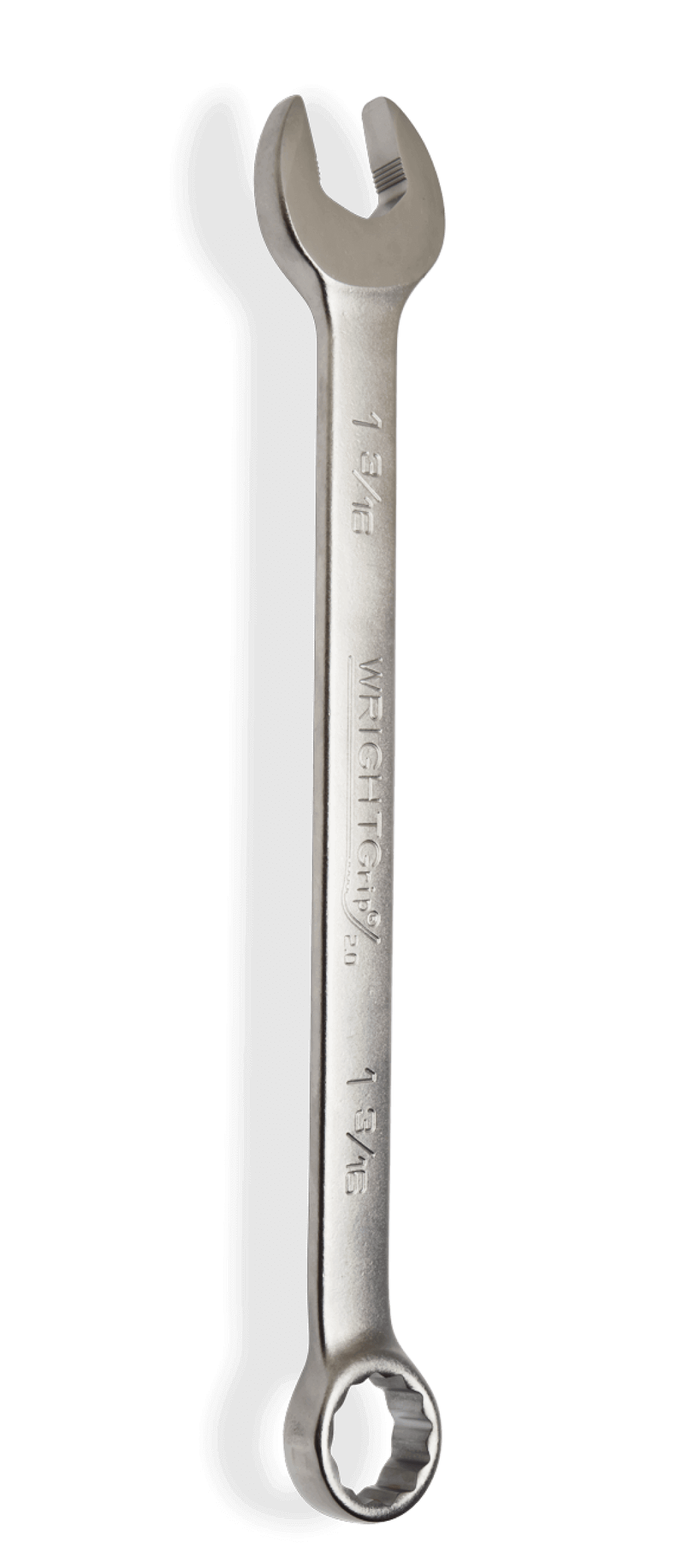
The wrench moves to a trim press, which removes that extra material and leaves behind the recognizable shape of a wrench.
From there, the part can continue through the remaining manufacturing and finishing operations required to become a completed tool.
A Powerful Process, Backed by Experience
One of the most impressive aspects of Wright's hammer operation is how quickly the transformation takes place. In just several seconds, a round bar of steel becomes a part that closely resembles a wrench.
But speed is only part of the story. The process also depends on the right combination of heat, equipment, forming stages and operator expertise.
Wright's hammer operation demonstrates how traditional metalworking processes continue to play an important role in tool manufacturing. By combining proven forging methods with experienced team members, Wright transforms raw steel into the foundation of a tool built for demanding work.
https://youtube.com/shorts/XhT1orInUPY?feature=share
Curious about our other processes at Wright? Visit our other blogs here:
https://www.wrighttool.com/blog/the-steel-behind-every-wright-tool
https://www.wrighttool.com/blog/behind-the-shine-wright-s-vibratory-process
https://www.wrighttool.com/blog/maxipress-where-our-sockets-come-to-life
https://www.wrighttool.com/blog/heat-treating-in-house-strengthening-quality-at-wright
https://www.wrighttool.com/blog/how-wright-s-polishing-department-delivers-quality-you-can-see

