








August 11, 2026
How Wright’s Polishing Department Delivers Quality You Can See
When professionals pick up a Wright tool, they immediately notice its clean finish. That appearance isn’t by chance, it’s the result of careful craftsmanship in one of the most important areas of our manufacturing process, the polishing department.
While forging and machining creates the shape and strength of a tool, polishing is where attention to detail takes center stage.
More Than Just a Shiny Finish
Many people assume polishing is simply about making a tool look good. In reality, it plays an important role in both appearance and quality.
Throughout the manufacturing process, some tools return to the polishing department multiple times. As each machining operation is completed, skilled team members inspect the tool and remove any burrs, flash or parting lines before it moves to the next step.
Every pass helps ensure the finished product exceeds Wright’s high standards.
Precision at Every Step
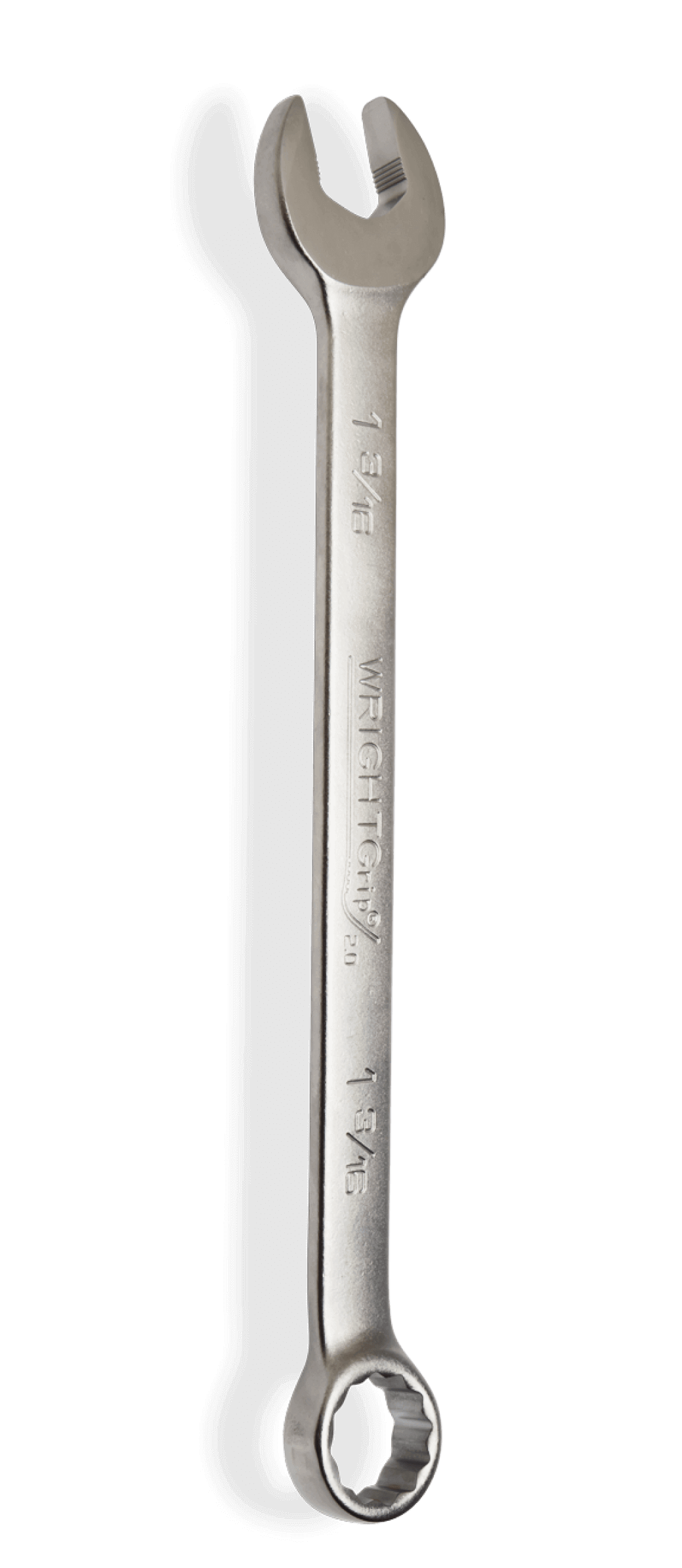
Take one of Wright’s combination wrenches as an example.
After machining, small burrs may remain on certain surfaces. These are carefully removed during polishing before the wrench continues through production.
Another critical operation is known as snagging. During this process, technicians contour the transition between the wrench head and handle, as well as the box end, removing any remaining flash or imperfections. These smooth transitions not only improve appearance but also demonstrate the level of craftsmanship that goes into every Wright tool.
A Progressive Polishing Process
Creating Wright’s signature finish isn’t accomplished with a single polishing belt.
Instead, each tool progresses through a series of increasingly finer abrasive belts, beginning around 150 grit and moving through 240, 400 and ultimately to an A16 belt, roughly equivalent to a 1,200- to 1,400-grit finish.
Each stage further refines the surface, removing imperfections while creating the smooth, professional finish customers expect.
For our full-polished tools, the next step is Wright’s in-house vibratory process. After polishing has established a smooth, consistent surface, the tools spend 8 to 12 hours in specialized vibratory machines using carefully selected compositions of media This process further refines the finish, ensuring a uniform appearance across every tool while helping deliver the signature shine professionals expect from Wright.
Attention to Detail Makes the Difference
The polishing department reflects Wright’s commitment to manufacturing quality tools in the USA.
Every tool that passes through this department receives careful attention from experienced team members who understand that even the smallest details matter. From removing burrs to refining contours, each step contributes to the durability, appearance and quality professionals rely on every day.
Craftsmanship That Shows
At Wright, quality isn’t added at the end of the manufacturing process, it’s built into every step.
The polishing department is just one example of the craftsmanship and attention to detail that have defined Wright tools for nearly a century. It’s this commitment that helps ensure every tool not only performs to the highest standards but also reflects the pride and precision behind American manufacturing.
Because when professionals choose Wright, they deserve tools that look as good as they perform.
https://youtube.com/shorts/zFc5xd0D02Y?feature=share
Curious about our other processes at Wright? Visit our other blogs here:
https://www.wrighttool.com/blog/the-steel-behind-every-wright-tool
https://www.wrighttool.com/blog/behind-the-shine-wright-s-vibratory-process
https://www.wrighttool.com/blog/maxipress-where-our-sockets-come-to-life
https://www.wrighttool.com/blog/heat-treating-in-house-strengthening-quality-at-wright

